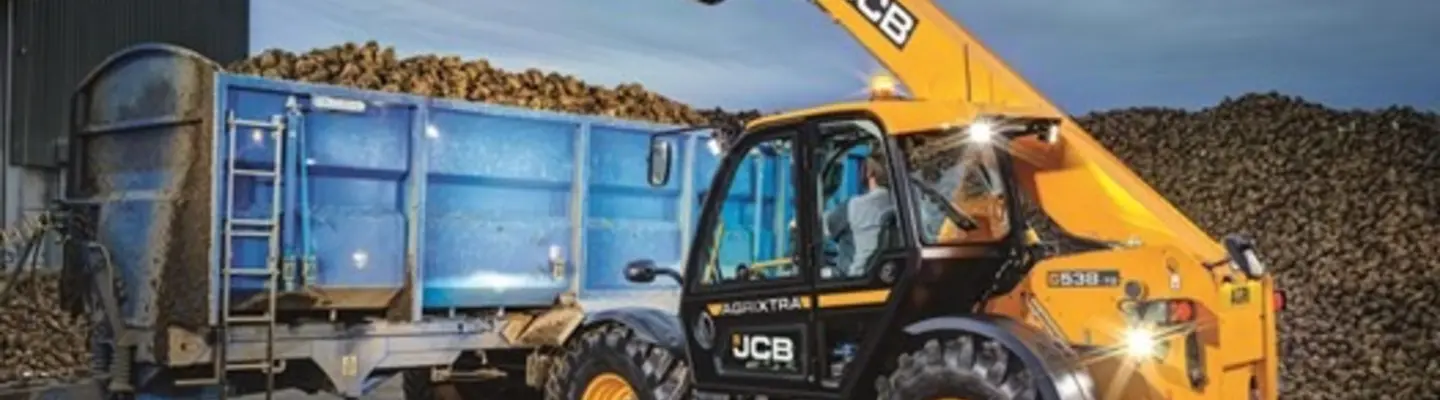
Telehandlers, also known as telescopic handlers, are essential in industries like construction, agriculture, and various industrial applications. With their versatility and advanced features, they have become a preferred choice for lifting, transporting, and placing heavy loads. This guide covers everything you need to know about telehandlers, including their features, types, uses, and how to choose the right model for your specific needs.
Telehandler Overview
A telehandler is a machine that combines the functionality of a forklift with the extended reach of a crane. The key feature of a telehandler is its telescopic boom, which can extend vertically and horizontally, making it highly versatile for handling loads at different heights and over obstacles. With a variety of attachments available, telehandlers can seamlessly adapt to a wide range of tasks, from material handling to construction assistance.
Key Features of Telehandlers
Telescopic Boom
The telescopic boom allows the machine to reach significant heights and extend over obstacles. This feature makes them invaluable for tasks that require elevated or distant material placement.
Different Attachments
Telehandlers are highly adaptable, with a wide range of attachments available, including:
Forks for pallet handling
Buckets for material transport
Man baskets for elevated work
Bale clamps and other specialized tools for specific tasks.
4-Wheel Drive and Four Wheel Steering
Most telehandlers come equipped with 4-wheel drive, providing excellent stability and traction on uneven or slippery terrain. They also feature four wheel steering for excellent maneuverability in tight spaces. This makes them ideal for rough outdoor environments and confined spaces, with many models featuring tight turning radii. Additionally, crab steering allows for maneuvering loads away from walls or obstacles, enhancing the versatility of telehandlers.
Hydraulic Power
The hydraulic system powers both the boom and the attachments, enabling precise control and the strength needed to handle heavy loads.
Operator Cab
Modern telehandlers feature ergonomic cabs designed for comfort, reducing operator fatigue. They offer excellent visibility, improving safety on the job site.
Types of Telehandlers
Telehandlers come in various models, each designed for specific tasks and environments:
Compact Telehandlers
Best for: Tight spaces like urban construction sites or warehouses.
Lift Height: 2.5 to 5.5 meters
Load Capacity: 2,500 to 4,000 kg
Features: Small size for easy maneuverability in confined areas without compromising lifting capacity.
Rough Terrain Telehandlers
Best for: Challenging outdoor environments, especially construction sites with uneven or muddy ground.
Lift Height: 6 to 14 meters
Load Capacity: 4,000 to 12,000 kg
Features: Reinforced tires, powerful engines, heavy-duty suspension, and all-terrain capabilities.
Agricultural Telehandlers
Best for: Farm work, including handling bales, grain, and other agricultural tasks.
Lift Height: 5 to 10 meters
Load Capacity: 3,500 to 7,000 kg
Features: Specialized attachments for farming efficiency, such as bale handlers and grain buckets.
Industrial Telehandlers
Best for: Versatile applications in industries like warehousing, manufacturing, and logistics.
Lift Height: 8 to 18 meters
Load Capacity: 6,000 to 20,000 kg
Features: Advanced load management technologies and the ability to handle heavy-duty tasks across multiple industries.
Common Uses of Telehandlers in Construction
These machines significantly improve productivity on construction sites by providing efficient material handling and elevating tasks:
Material Handling
Telehandlers excel at lifting loads such as pallets of bricks or steel beams across large job sites. Their ability to lift loads to elevated locations makes them essential for multi-story projects.
Placing Concrete
With a bucket attachment, telehandlers can pour concrete into hard-to-reach areas, speeding up this critical construction process.
Demolition Work
They are great at assisting in removing debris and dismantling structures, offering extended reach for safe, efficient operations.
Roofing and Cladding
Telehandlers help lift roofing materials or cladding panels to elevated positions, ensuring accurate and safe installation.
Groundworks
Telehandlers are invaluable for moving soil, aggregates, and other materials for ground preparation and excavation tasks.
Advantages of Using a Telehandler
Versatility
Telehandlers can be equipped with a wide range of attachments, allowing them to perform various roles across multiple tasks and industries.
Efficiency
Increase productivity by reducing manual labor and speeding up tasks like material transport, lifting, and placement.
Safety
By handling heavy loads and accessing difficult areas, telehandlers minimize the risks of accidents associated with manual handling and less versatile equipment. Telehandlers offer increased safety on job sites due to features like front stabilizers and the necessity for trained operators.
Reach
The telescopic boom gives the machine an unparalleled reach, allowing them to operate in spaces other equipment might struggle to access.
Maneuverability
Designed to work in tight spaces, telehandlers are highly maneuverable, making them ideal for both compact urban sites and large outdoor projects.
Limitations and Considerations
Despite their versatility, telehandlers have limitations that may make them unsuitable for certain tasks:
Weight and Size
Telehandlers are large, heavy machines that may not be suitable for sites with tight access points or weight-restricted areas. In such cases, compact forklifts or mini excavators may be better suited.
Operator Skill
Proper training is essential for safe and efficient operation. For simpler tasks, such as basic material handling, a standard forklift or pallet jack may be sufficient, reducing the need for specialized training.
Ground Conditions
Soft or uneven ground can pose challenges, especially for non-rough-terrain models. In such cases, specialized equipment like tracked loaders or rough-terrain forklifts may offer better stability.
Operating a Telehandler Safely
Operator Training
Ensure that operators are properly trained in machine controls, load limits, and safety procedures.
Pre-Operation Checks
Conduct daily inspections to check for wear and tear, fluid levels, and any visible damage to the machine.
Safe Load Limits
Always adhere to the telehandler’s load capacity chart, which takes into account the boom’s extension and angle.
Stable Ground
Avoid operating the telehandler on unstable surfaces to prevent tipping or accidents.
Safe Working Practices
Establish guidelines for lifting, transporting, and placing loads, ensuring all workers on-site are aware of the telehandler’s movements.
Maintenance and Care
Regular Inspections
Perform routine checks to identify potential issues such as wear and tear, fluid leaks, and other maintenance needs.
Routine Maintenance
Regularly schedule tasks such as oil changes, filter replacements, and lubrication to extend the machine’s lifespan.
Cleanliness
Keep the telehandler clean, especially after working in harsh environments, to prevent debris buildup and corrosion.
Storage
When not in use, store the telehandler in a dry, sheltered location to protect it from the elements.
Comparison with Other Equipment
Telehandlers offer a range of benefits, but it’s important to compare them with other types of equipment to determine the best solution for your job site.
Telehandlers vs. Forklifts
Best for Forklifts: Warehousing, indoor operations, and short-distance material transport.
Best for Telehandlers: Outdoor construction sites, projects requiring reach at height or over obstacles, and jobs with diverse attachment needs.
Telehandlers vs. Cranes
Best for Cranes: Large-scale projects requiring extreme height or lifting capacity, like skyscrapers or bridges.
Best for Telehandlers: Medium-scale projects, material handling at moderate heights, and jobs that require mobility and versatility.
Telehandlers vs. Skid Steer Loaders
Best for Skid Steers: Compact job sites, landscaping, and ground-level material handling.
Best for Telehandlers: Projects requiring vertical lifting and reach, such as roofing and multi-story construction.
Telehandlers vs. Boom Lifts
Best for Boom Lifts: Accessing hard-to-reach areas for tasks like electrical repairs, window cleaning, or aerial work.
Best for Telehandlers: Projects requiring both material handling and elevated access, like cladding or construction.
Rental vs. Purchase: Which Is Right for You?
When deciding whether to rent or purchase a telehandler, consider the frequency of use, project timelines, and budget.
Rental
Renting a telehandler is an excellent choice for short-term projects or when you only need specific equipment for a limited period. Renting eliminates upfront costs and maintenance responsibilities.
Purchase
For businesses with consistent telehandler requirements, purchasing can be more economical over time. Owning a telehandler provides immediate availability, though the upfront cost can be significant.
Used Telehandlers
If you’re looking for cost savings, used telehandlers offer excellent value. Well-maintained used models provide reliable performance at a fraction of the cost of new equipment.
Explore Telehandler Options at Orange Hire
Whether you’re renting or purchasing, Orange Hire offers a broad selection of telehandlers tailored to your project’s needs. Our fleet includes both new and used telehandlers, ensuring you have the right machine for every job, large or small.
Related Articles
Know Your Machine: Telehandlers
Choosing the Right Telehandler for Your Job
 Facebook
 X
 Linkedin
 Email
 Print
 Copy Link
 RSS Feed